Trezor Login: A Complete Guide to Securely Accessing Your Hardware Wallet
Managing cryptocurrency safely begins with choosing a reliable storage method, and hardware wallets like Trezor have become one of the most trusted solutions in the crypto world. While Trezor devices are designed to provide maximum security, many users—especially beginners—often need clarity on how the login process works. Unlike typical online accounts, logging into a Trezor wallet does not involve usernames or passwords. Instead, it uses a combination of hardware authentication, PIN verification, and recovery seed protection.
This guide explains the entire Trezor login process, how it works, why it’s secure, and how to troubleshoot common issues. Whether you are new to Trezor or want to refresh your understanding, this detailed overview will help you log in safely and confidently.
What Is Trezor Login?
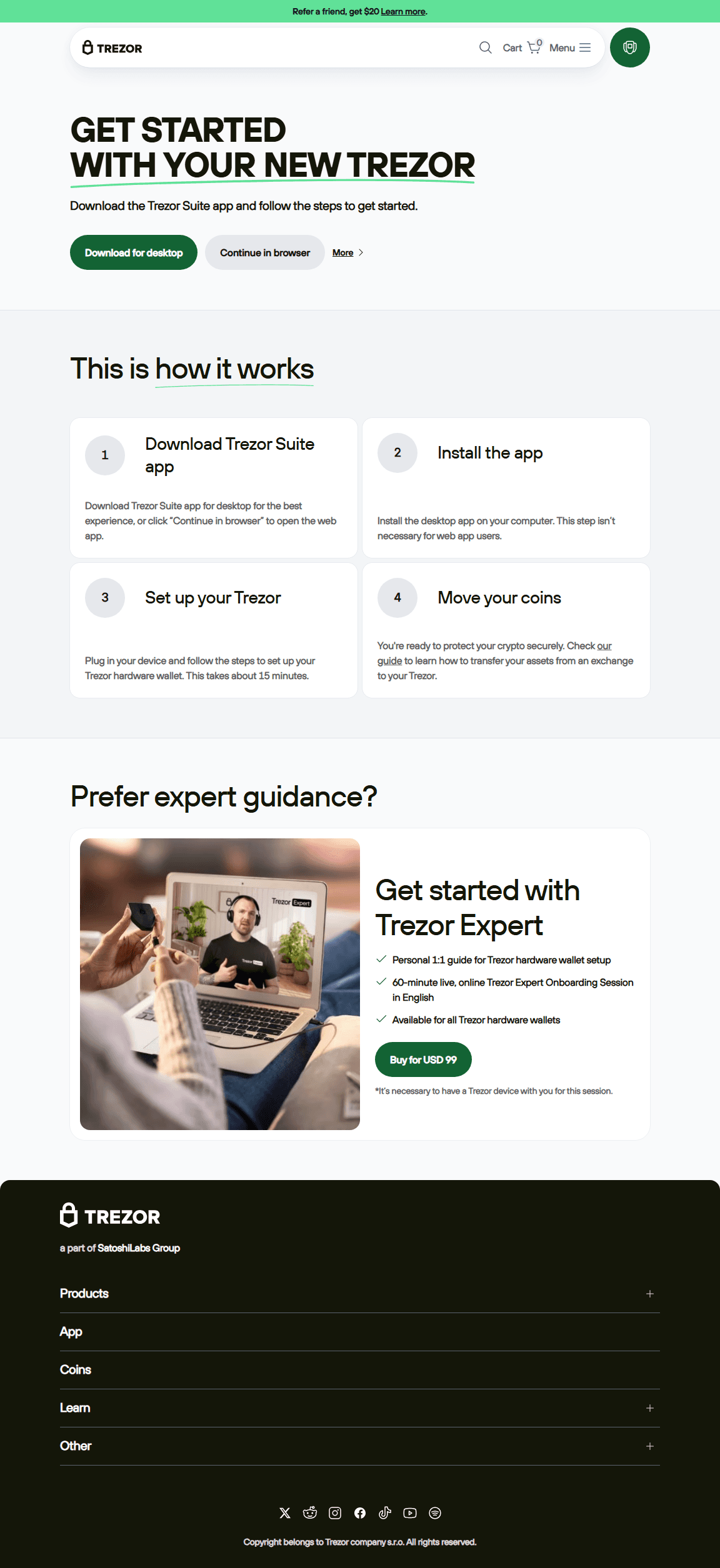
Trezor login is the process of connecting your Trezor hardware wallet—such as Trezor Model One or Trezor Model T—to the Trezor software interface (Trezor Suite) to access and manage your crypto assets. Instead of a traditional login system, Trezor uses physical authentication. You must connect the actual device to your computer or mobile phone, unlock it with a PIN, and then authorize actions directly on the device screen.
This security method protects your funds even if your computer is infected with malware or a phishing site tries to mimic the Trezor interface.
How Trezor Login Works
The Trezor login process consists of multiple layers designed to verify that you—not a hacker—are accessing your wallet. Here’s how it works step by step.
1. Connect Your Device
Begin by plugging your Trezor device into your computer using the USB cable. If using Trezor Suite on Android, you can also connect via USB-C.
2. Open Trezor Suite
Trezor provides two ways to log in:
Trezor Suite Desktop App
Trezor Suite Web through your browser
Both options display your wallet dashboard once the device is unlocked.
3. Enter Your PIN
When you set up your Trezor, you created a PIN. During login, Trezor asks you to enter this PIN to unlock the device.
The PIN layout is shown on the device screen.
The scrambled keypad on your computer ensures that even if your keyboard is monitored, the PIN cannot be stolen.
4. Confirm Access on the Device
As the final layer of login security, you must confirm the action on your Trezor screen. This prevents unauthorized access even if someone gains control of your computer.
Why Trezor Login Is More Secure Than Passwords
Traditional logins depend on passwords stored somewhere—either in a server or on a user’s device. Passwords can be hacked, phished, guessed, or intercepted. Trezor eliminates all these risks by requiring physical confirmation.
Here’s why it’s more secure:
Physical Authentication
A hacker would need your physical Trezor device to access your wallet. Without it, logging in is impossible.
PIN Protection
The PIN prevents someone from using your device if it is stolen. After too many incorrect attempts, the device wipes itself.
Local Key Storage
Private keys never leave the Trezor device. Even during login, they remain offline and inaccessible.
Phishing Resistance
Even if you open a fake Trezor website, the device will not confirm unauthorized operations. This makes phishing much less effective.
Logging Into Trezor Suite for the First Time
If it’s your first time using Trezor Suite, the login process includes a brief setup.
Initial Setup Steps
Connect the device
Install the latest firmware (if prompted)
Create or restore a wallet
Set a PIN
Save your 12-, 18-, or 24-word recovery seed offline
You cannot log in or access your wallet without completing these steps.
Using Trezor Login With a Passphrase
Trezor offers an additional security layer called a passphrase, also known as the “25th word.”
A passphrase:
Creates a secret hidden wallet
Works alongside your recovery seed
Must be entered manually at each login
If you enable the passphrase feature, your login steps will include entering your custom phrase either on the Trezor device (Model T) or through Trezor Suite (Model One).
Common Trezor Login Problems and Solutions
Even though Trezor login is simple, users sometimes run into issues. Here are the most common troubleshooting tips.
1. Device Not Recognized
Use a different USB cable or port
Update Trezor Suite
Restart your computer
Try on another device
2. PIN Forgotten
Trezor cannot recover your PIN. You must reset the device and restore it using your recovery seed.
3. Wrong Passphrase
Ensure capitalization, spacing, and characters are exact. Each unique passphrase creates a separate wallet.
4. Browser Issues
If using Trezor Suite Web:
Enable WebUSB
Use Chrome or Firefox
Clear browser cache
Best Practices for Secure Trezor Login
To keep your crypto safe, follow these practices:
Never share your recovery seed
Store the seed offline, away from electronics
Use a strong PIN
Enable passphrase protection
Always verify on the device screen
Download Trezor Suite only from official sources
Keep your firmware up to date
Conclusion
The Trezor login process is designed to strike the perfect balance between security and usability. By requiring physical authentication, PIN verification, and on-device confirmation, Trezor ensures that only you can access your cryptocurrency. Understanding how the login process works helps you use your wallet confidently while maintaining the highest level of protection.